A label with limits
When packing for time outdoors, sunglasses, water and snacks often come to mind first. Sunscreen needs a plan too. Carrying a bottle is not especially useful if you cannot read its directions or leave it somewhere you will not return to for hours.
Under US labelling rules described by the FDA, water resistance refers to forty or eighty minutes of tested protection while swimming or sweating. It does not mean waterproof. Those terms apply to that market; check the directions on the product sold where you live.
Plan before you leave
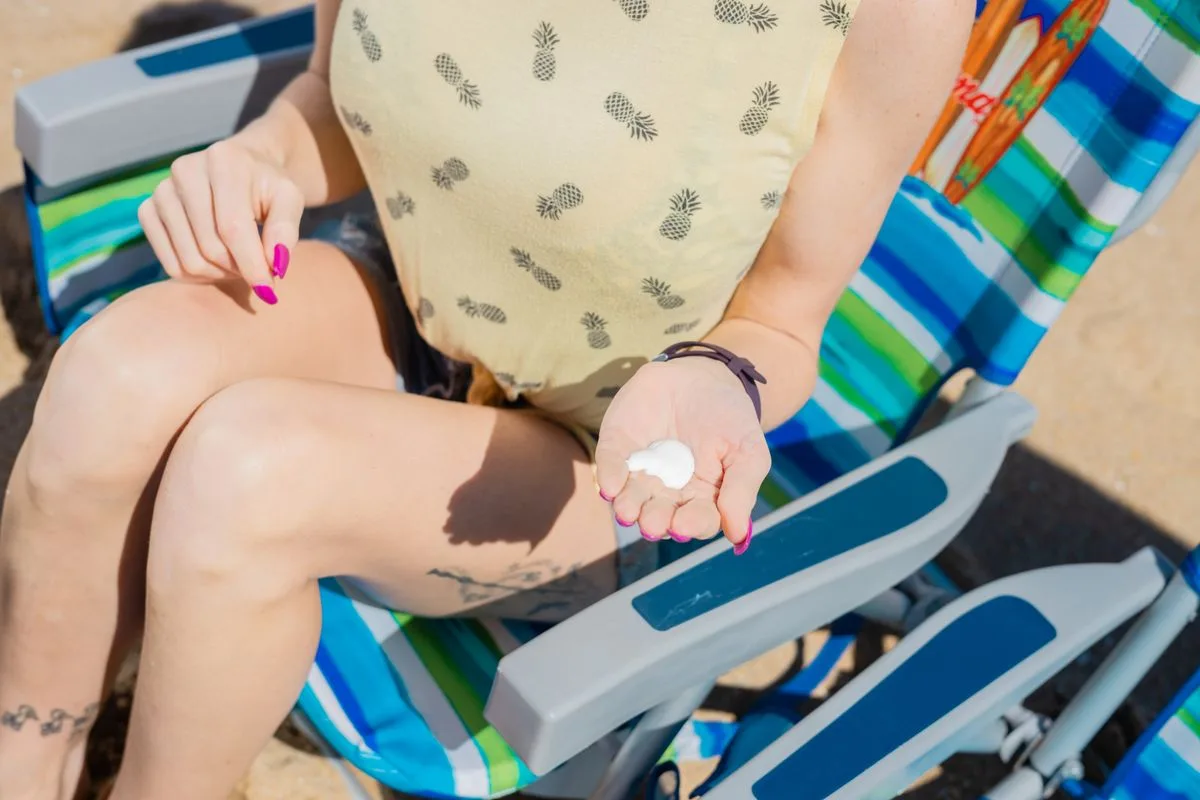
Read how to apply and reapply it before heading out. Keep the container accessible and plan a pause rather than relying on a last-minute reminder. On a shared outing, agreeing on breaks can be more practical than leaving everyone to improvise.
The FDA notes that no sunscreen blocks all ultraviolet radiation. It advises combining sunscreen with shade and protective clothing, and reapplying at least every two hours or more frequently as directed for water and sweat. The number on the bottle does not replace those other measures.
Do not treat a number as permission
When comparing options, look beyond packaging or the word sport. Check the directions, intended application area and quantity. A formula you do not know how to use does not become suitable simply because it is popular on social media.
This is a guide to reading labels and planning, not an individual brand or treatment recommendation. Ask a professional if you have questions about a skin condition or the person who will use the product. A little preparation makes outdoor care less improvised.
Sources and further reading
Editorial guide published on October 23, 2026, with sources checked on that date. Not breaking news or personalized advice. The image is illustrative.