Identify the version first
Two bottles with the same fragrance name can look interchangeable in a shop or on a gift list. Before comparing sizes and prices, check the complete designation: parfum, eau de parfum or eau de toilette. That small detail helps prevent you from buying a different version from the one you remember.
CHANEL explains that these terms distinguish concentrations and intensities within its fragrances, with parfum as the most concentrated interpretation. Jean Paul Gaultier likewise connects eau de parfum and eau de toilette with different aromatic concentrations. These are useful starting points, rather than a ranking of which version is more worth owning.
One family can have different accents
The N°5 product descriptions show why each version deserves a closer look: CHANEL highlights vanilla in its eau de parfum, and sandalwood and vetiver in its eau de toilette. The example illustrates a difference in character as well as naming. It is not a recommendation to choose either or assume you will enjoy both.
When asking for guidance, try a specific question: “What changes in this version compared with the one I already know?” Record the full name of the answer. You can also separate two decisions: whether the smell interests you and whether the format fits your budget. A larger bottle cannot settle the first question.
Choose a version, not a hierarchy
When replacing a favourite, compare the designation on your bottle with the product listing rather than relying on the shape of the packaging. For a gift, a clear photograph of the label can prevent confusion. Add the volume in millilitres to your note too, so that price comparisons concern equivalent presentations.
Leave aside personal longevity promises you have not tested: the concentration name alone does not tell you what your experience will be. Preferring a less concentrated version does not mean choosing an inferior option. Shopping becomes clearer when you know exactly which fragrance and which presentation you are actually considering buying.
Sources and further reading
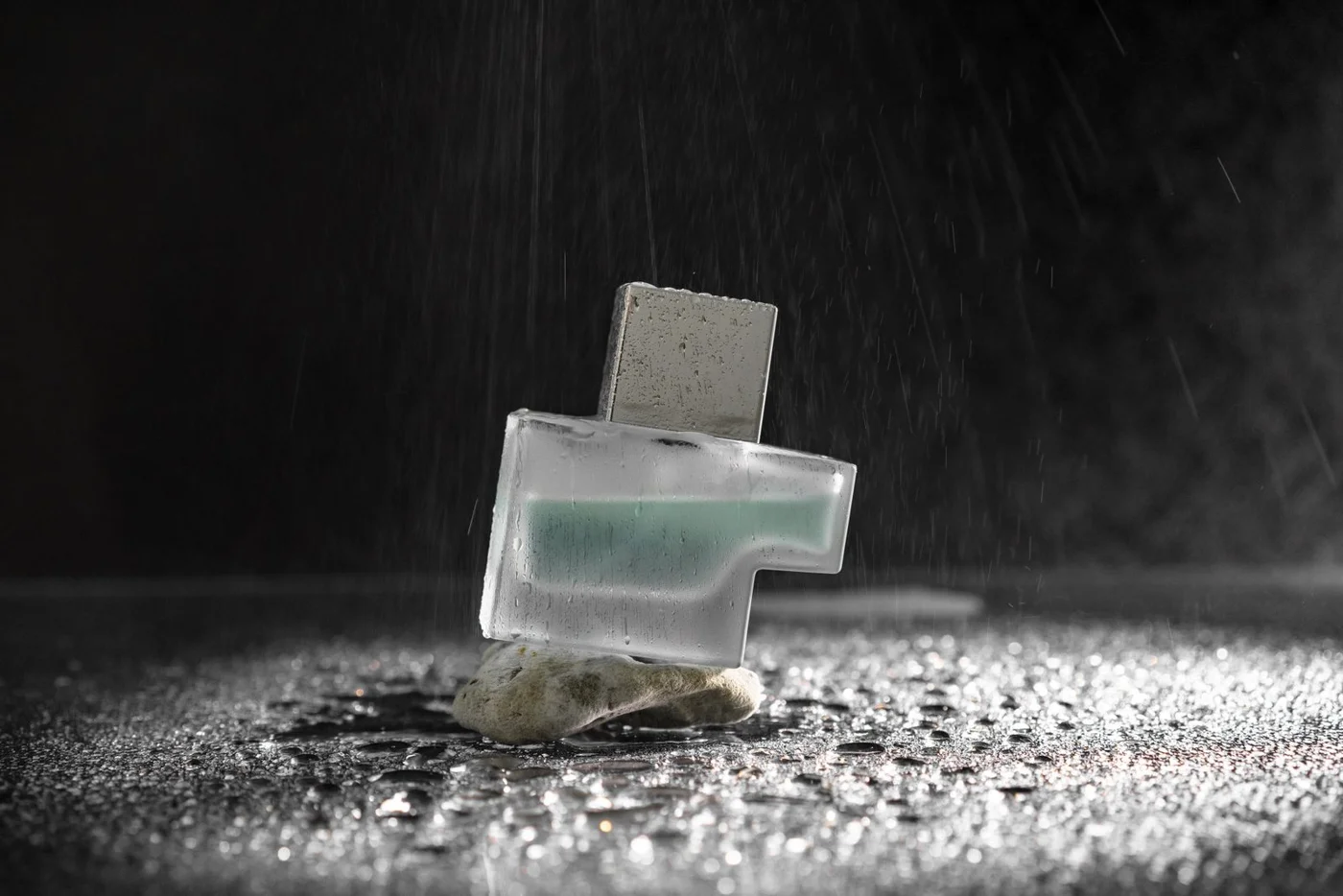
Evergreen editorial guide published on October 23, 2026, with sources checked on that date. Not breaking news or personalized advice. The image is illustrative.